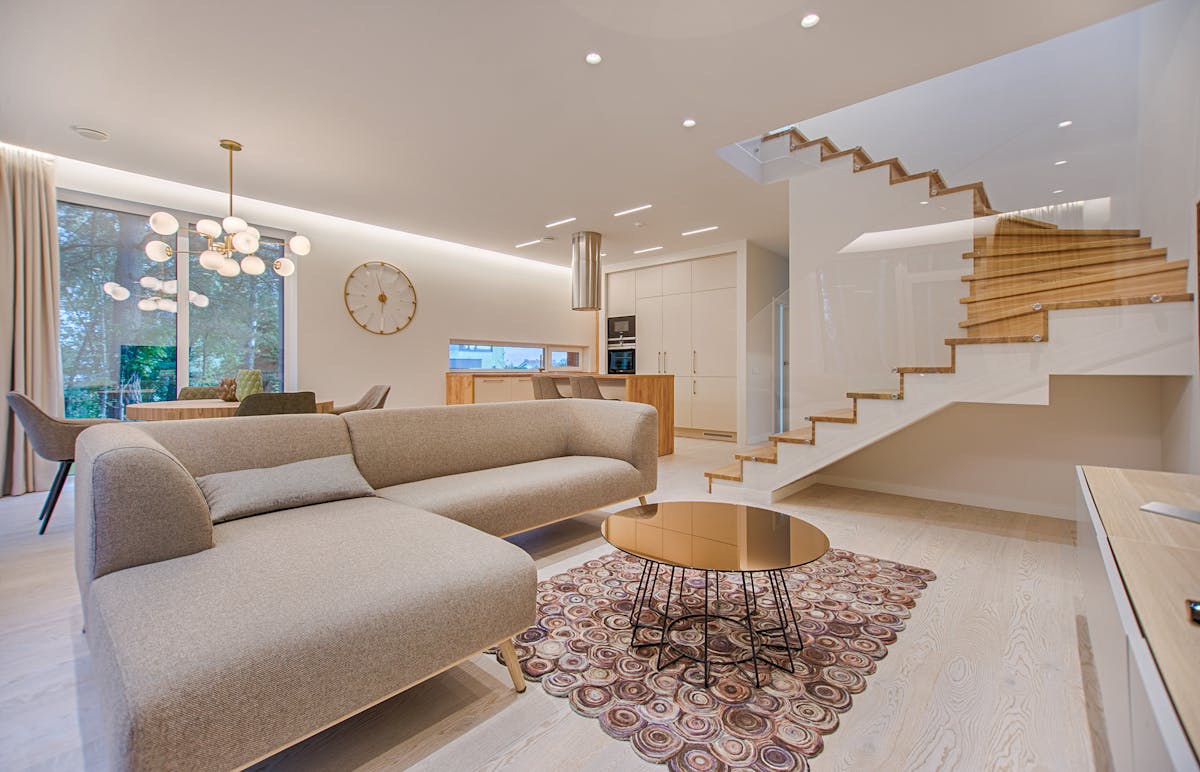
Creating a coastal sanctuary in your home is about more than nautical stripes and seashell decorations. True coastal design captures the essence of waterfront living through thoughtful use of light, natural materials, indoor-outdoor connections, and a color palette inspired by sand, sea, and sky. Whether you live steps from the ocean or miles inland, these design principles will transform your space into a serene coastal retreat.
1. Embrace Natural Light and Airy Spaces
The foundation of coastal design is abundant natural light. Waterfront homes celebrate sunlight streaming through windows, reflecting off water surfaces, and creating an ever-changing play of light and shadow throughout the day. Even if your home lacks waterfront views, you can capture this essential element of coastal living.
Maximize Window Exposure
If renovating, consider enlarging windows or adding additional window openings to increase natural light. Floor-to-ceiling windows create dramatic visual impact while flooding interiors with sunlight. Sliding glass doors not only provide abundant light but also facilitate the indoor-outdoor connection central to coastal design.
For existing windows, remove heavy drapes and replace them with sheer linen or lightweight cotton curtains that filter light without blocking it. Roman shades in natural fabrics offer privacy when needed while maintaining the airy aesthetic. Consider leaving windows completely unadorned in private spaces where coastal views or natural surroundings provide sufficient visual interest.
Reflective Surfaces and Light Colors
Amplify available light through strategic use of reflective surfaces. Large mirrors positioned opposite windows bounce natural light deeper into rooms. Consider a statement mirror with a driftwood or natural wood frame to maintain coastal aesthetics while serving a functional purpose.
Paint ceilings and walls in bright whites, soft creams, or pale grays to maximize light reflection. High- gloss or semi-gloss finishes on trim and woodwork reflect more light than flat finishes, though matte walls create a more sophisticated, modern coastal look.
Designer Tip
Paint ceiling beams and trim the same color as walls rather than contrasting colors. This creates visual continuity that makes spaces feel larger and more open, a hallmark of coastal design.
2. Choose a Sophisticated Coastal Color Palette
The coastal color palette has evolved beyond traditional blues and whites. Contemporary coastal design embraces a more nuanced approach that references natural coastal environments without resorting to literal interpretations.
Foundation Neutrals
Start with a foundation of warm whites, soft grays, and sandy beiges that evoke sun-bleached driftwood and weathered stone. These neutrals create a serene backdrop that allows architectural features, natural materials, and strategic color accents to take center stage.
Consider warm whites like Benjamin Moore's Simply White or Swiss Coffee rather than stark, cool whites. For grays, choose options with warm undertones like Agreeable Gray or Repose Gray. These colors work harmoniously with natural wood tones and create inviting, livable spaces.
Water-Inspired Accents
Introduce blues and greens as accents rather than dominant colors. Deep teal, seafoam green, and muted navy create visual interest without overwhelming spaces. Use these colors in furniture upholstery, throw pillows, artwork, or a single accent wall.
Avoid bright, saturated blues that feel juvenile or theme-park-like. Instead, opt for complex, muted shades that reference the ocean at different times of day. The deep blue-gray of storm clouds, the pale aqua of shallow tropical waters, or the dusty blue of faded denim all work beautifully in coastal interiors.
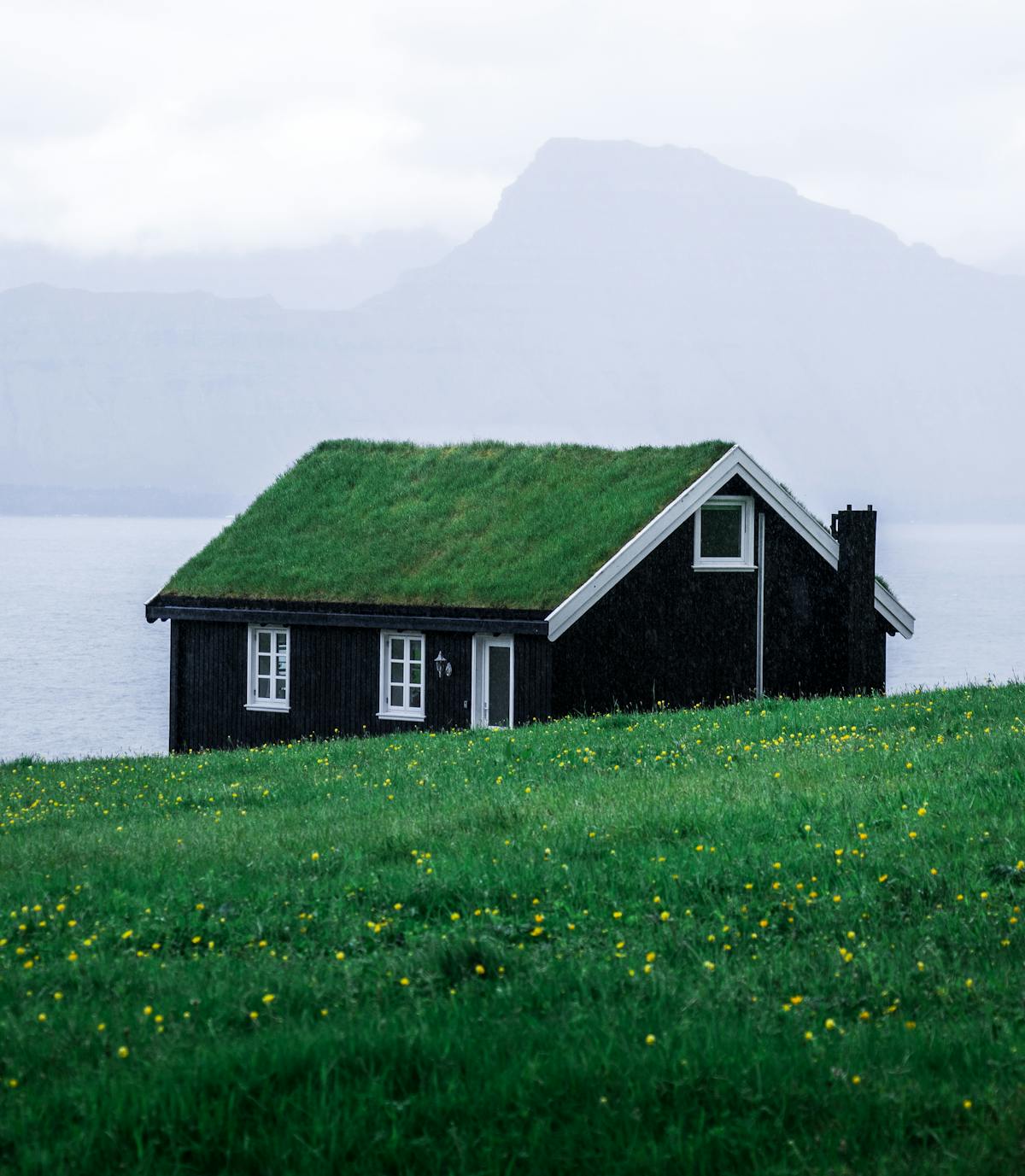
Layered neutrals and natural textures create sophisticated coastal interiors
Unexpected Warm Accents
Elevate your coastal palette with unexpected warm tones. Terracotta, warm coral, rust, and sandy gold add depth and prevent spaces from feeling cold or sterile. These colors reference coastal sunsets, weathered terra cotta roof tiles found in Mediterranean coastal architecture, and the warm glow of sunlight on sand.
3. Incorporate Natural Materials and Textures
Authentic coastal design celebrates natural materials that reference the coastal environment. The key is layering different textures to create visual interest and tactile richness while maintaining a cohesive, organic aesthetic.
Wood Elements
Natural wood in various finishes is fundamental to coastal design. Whitewashed or pickled wood creates a casual, weathered beach house feel. Natural honey-toned woods like white oak or teak add warmth and sophistication. Reclaimed wood beams, whether structural or decorative, provide character and connection to coastal building traditions.
For flooring, wide-plank white oak or European oak in natural or weathered finishes provides durability and timeless appeal. Luxury vinyl plank in wood tones offers a practical alternative in moisture-prone areas while maintaining the natural wood aesthetic.
Natural Fiber Textiles
Layer in natural fiber textiles throughout your space. Linen upholstery and curtains provide relaxed elegance while referencing coastal sailcloth. Jute, seagrass, and sisal rugs add organic texture underfoot and define seating areas.
Don't shy away from mixing textures. A chunky knit throw on a linen sofa, rattan chairs at a wooden dining table, and woven baskets for storage create layered visual interest. Performance fabrics in natural textures offer practicality for families and vacation rentals without sacrificing style.
Stone and Organic Materials
Incorporate stone surfaces that reference coastal geology. Quartzite in soft whites and grays, marble with subtle veining, or concrete with organic texture work beautifully in kitchens and bathrooms. For decorative elements, consider stone vessels, ceramic pottery in organic shapes, and sculptural objects made from driftwood or coral (ethically sourced alternatives to real coral).
Budget-Friendly Alternative
Can't afford new hardwood floors? Paint existing floors in a weathered wood technique using multiple shades of gray and taupe. This DIY approach creates custom character at a fraction of the cost of new flooring.
4. Master Indoor-Outdoor Living
The seamless connection between indoor and outdoor spaces defines modern coastal architecture. Even without expansive patios or oceanfront terraces, you can create this essential element of waterfront living.
Cohesive Material Flow
Create visual continuity by extending interior flooring materials to adjacent outdoor spaces. Large- format porcelain tiles in wood-look or stone finishes work both indoors and out, creating a seamless visual flow. If different materials are necessary, choose similar colors and scales to maintain cohesion.
Paint exterior walls and trim in colors that complement your interior palette. This creates the impression that outdoor spaces are extensions of interior rooms rather than separate areas.
Transitional Spaces
Develop transitional zones that blur the line between indoors and out. Covered patios or porches furnished like living rooms encourage use in various weather conditions. Installing large sliding or folding glass door systems allows these spaces to open completely to interior rooms.
For homes without direct outdoor access, create the feeling of connection through large windows that frame views of gardens, courtyards, or even street trees. Window seats or built-in benches adjacent to windows create spots to enjoy these views and connection to the outdoors.
Outdoor Rooms
Furnish outdoor spaces with the same attention to comfort and style as interior rooms. Weather-resistant upholstered furniture, outdoor rugs, and layered lighting transform patios into true living spaces. Incorporate dining areas, lounge zones, and even outdoor kitchens to maximize functionality and encourage outdoor living.
5. Curate Rather Than Clutter
Sophisticated coastal design embraces edited, intentional styling rather than overwhelming spaces with beach-themed accessories. The goal is creating a serene environment that suggests coastal living through subtle references and quality materials rather than obvious nautical motifs.
Quality Over Quantity
Invest in fewer, higher-quality pieces rather than filling spaces with inexpensive accessories. A single piece of coastal-inspired art, a beautiful ceramic vessel, or a sculptural driftwood object makes a stronger statement than a collection of shell-covered picture frames and rope accents.
Choose abstract or impressionistic coastal art rather than literal beach scenes. Photography of coastal landscapes in black and white or muted tones provides visual connection to the water without feeling kitschy. Oversized pieces create impact and sophistication.
Functional Beauty
Select decorative items that serve practical purposes. Woven baskets provide storage while adding texture. Beautiful ceramic or wooden bowls displayed on tables or counters can hold keys, fruit, or other daily items. Throws and pillows in natural fabrics add comfort while contributing to the layered, textural aesthetic.
Collections with Purpose
If displaying collections, curate them thoughtfully. A group of white and cream ceramics in various organic shapes creates sculptural impact without color distraction. Vintage glass floats in a single basket reference coastal heritage without overwhelming a space. The key is cohesive color, material, or theme within collections.
Pro Styling Tip
Use the rule of three for styling surfaces. Group items in odd numbers, varying heights and shapes while maintaining color cohesion. This creates visual interest without clutter.
Bringing It All Together
Creating a coastal sanctuary is about capturing the essence of waterfront living through thoughtful design choices that prioritize light, natural materials, connection to the outdoors, and serene simplicity. These principles work together to create spaces that feel both sophisticated and relaxed, perfect for daily living or vacation retreats.
Start with one room and implement these principles gradually. Notice how maximizing natural light immediately transforms the feeling of a space. Add natural materials and textures in layers, building toward a cohesive look. Edit and curate your accessories, removing items that don't contribute to the overall aesthetic.
Remember that the most successful coastal interiors feel personal and lived-in rather than staged or theme-park-like. Include items that have meaning to you, whether that's a piece of art you discovered on a coastal vacation or a family heirloom that happens to fit the aesthetic. These personal touches make your coastal sanctuary uniquely yours.
Planning a Waterfront Property Renovation?
Our team works with top coastal designers and architects to help you create the perfect waterfront retreat, whether for personal enjoyment or vacation rental investment.
Get Design Consultation